Cooking by Color: How to Bring Anthocyanins, Carotenoids, and Betalains into Your Everyday Kitchen

Rediscovering Your Kitchen as a Painter’s Studio

A beautiful plate does not need synthetic food coloring to look polished. Nature already supplies a remarkable palette, from the garnet flush of berries to the sunset orange of roasted carrots and the jewel-like magenta of beets. For the home cook and baker, these colors are more than decorative accents. They are invitations to work with texture, temperature, acidity, and fat in ways that make everyday food feel considered, celebratory, and deeply satisfying.

Plant pigments also have personalities. Anthocyanins dissolve in water and respond dramatically to acidity, carotenoids prefer warmth and a little fat, and betalains glow most brilliantly when handled with restraint. Understanding those behaviors turns color preservation into a practical pastry skill. The following techniques will help you build glossy berry reductions, vibrant vegetable purées, jewel-toned fillings, and elegant bite-sized desserts while protecting as much of the food’s natural character as possible. For a broader look at beautiful bite-sized desserts, think of each recipe as a small canvas where flavor and visual contrast work together.

Mastering the Mood Swings of Anthocyanins

Anthocyanins are water-soluble pigments responsible for many red, purple, and blue shades in blackberries, blueberries, red cabbage, purple potatoes, and deeply colored grape skins. Their appearance is not fixed. The same family of compounds can look ruby red in an acidic mixture, purple near neutral conditions, and increasingly blue as alkalinity rises. A scientific review of these pigments explains that their stability is influenced by pH, temperature, light, oxygen, enzymes, and the precise chemical structure of each anthocyanin. You can explore that foundational research in this review of anthocyanin chemistry.

In practical kitchen terms, acidity is one of the most useful tools. A squeeze of lemon juice, a spoonful of raspberry purée, or a few drops of apple cider vinegar can keep a berry sauce lively and jewel-bright. This is especially helpful when preparing a reduction for a cheesecake bite, a glaze for miniature pavlovas, or a purple cabbage relish to serve beside a rich tart. Add acid gradually, tasting as you go. Too much can flatten the flavor and make a delicate dessert seem sharp, while the right amount produces a clean, vibrant finish.

Heat and water require equal care. Boiling can encourage water-soluble pigments and other compounds to move into the cooking liquid, while prolonged high heat can dull the final color. Gentle steaming, covered roasting, microwaving with minimal added water, or a short simmer often gives better control. Research on red and purple potatoes found that cooking methods affected their anthocyanins and other phytochemicals differently, with results varying according to the variety and process. The lesson is not that raw is always superior, but that cooking should be purposeful and measured.

  • Keep berry reductions gently simmering rather than aggressively boiling.
  • Add lemon juice or another natural acid near the beginning when color preservation matters.
  • Use the cooking liquid in sauces or purées instead of discarding it when practical.
  • Protect finished anthocyanin-rich components from prolonged exposure to heat and bright light.

Unlocking Carotenoids with Culinary Fat and Warmth

Carotenoids create the golden, orange, and red tones found in carrots, pumpkin, winter squash, red peppers, tomatoes, and many leafy greens. Unlike anthocyanins, they are fat-soluble, which means their culinary behavior changes when they meet oil, butter, cream, or nut butter. They are also comparatively heat-stable, although very long cooking can still diminish quality and freshness. For a silky pumpkin tart filling or a carrot cake garnish, gentle heat can soften plant cell walls and make the color appear richer and more luminous.

Raw carrots are crisp and refreshing, but their fibrous structure can limit the amount of carotenoids released during digestion. A brief sauté, roast, or steam softens that structure. The goal is not to cook vegetables until they collapse, but to bring them to a tender point where their natural sweetness develops and their pigments become easier to access. Research on red peppers has shown that stir-frying and roasting generally caused smaller losses of several measured compounds than boiling and steaming, although each method affected individual nutrients differently. Dry heat can therefore be an especially attractive choice when both color and flavor matter.

The classic pastry lesson is simple: pair vivid produce with a modest amount of good fat. A roasted carrot purée becomes more rounded with butter, olive oil, or tahini. Pumpkin gains silkiness from cream or nut butter. Red peppers become glossy and concentrated when tossed with olive oil before roasting. A Purdue University human study found that full-fat dressings improved carotenoid absorption compared with low-fat or fat-free dressings, and that the amount of lipid played an important role. This does not call for excessive richness. A small, well-chosen amount is enough to carry flavor and help the body use these fat-soluble compounds.

Ingredient color Helpful technique Elegant kitchen application
Orange carrots Roast or sauté with a little fat Carrot mousse, cake garnish, or silky soup shot
Red peppers Roast until tender and lightly blistered Whipped pepper spread for savory tartlets
Pumpkin and squash Roast before blending Mini custard tarts, cheesecake swirls, or spiced purée
Tomatoes Cook gently with olive oil Glossy tomato jam for crostini or plated appetizers

The Delicate Radiance of Earthy Betalains

Betalains create the intense crimson and magenta tones of beets, beet greens, and colorful chard stems. They are chemically distinct from anthocyanins, and the two pigment families rarely occur together in the same plant. That distinction matters because a beet’s color does not behave exactly like a berry’s. Betalains can be particularly sensitive to prolonged exposure to high heat, excess water, oxygen, and unfavorable storage conditions. A long boil may leave the vegetable soft but turn its once-glowing color muted, brownish, or uneven.

For the most elegant result, treat beet color like a delicate glaze. Raw beet ribbons can be shaved thinly with a peeler and dressed just before serving. Small beets can be quickly poached or roasted until tender, then cooled and sliced into translucent rounds. In dessert work, beetroot can be blended into a chocolate cake, folded into a berry compote, or reduced into a sweet glaze for a petite tart. A touch of citrus, a little honey, and careful straining can create a smooth, glossy finish that looks intentional rather than rustic.
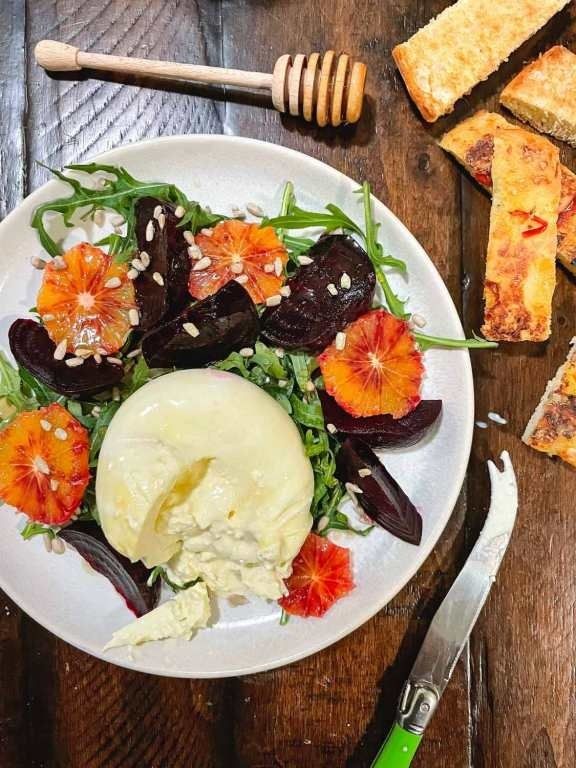
Beet and blood orange salad with creamy cheese and greens
Bright citrus and creamy richness show how acidity and fat can frame beet”s earthy sweetness while keeping its natural color the star.
  • Choose small, firm beets with saturated color and unblemished skins.
  • Roast whole beets when possible to limit water contact and preserve sweetness.
  • Cut or ribbon beets close to serving time to reduce oxidation and moisture loss.
  • Use beet purée sparingly in frostings and cakes so the color supports, rather than overwhelms, the flavor.

A Chef’s Guide to Preserving Pigments on the Plate

Color preservation begins before the pan is warm. Washing, cutting, and peeling all expose plant tissue to water and oxygen, so handle produce with the same quiet precision used for a delicate sponge cake. Scrub vegetables under cool running water, pat them dry, and peel only when the skin is tough or distracting. Colorful skins can contain concentrated phytochemicals, and keeping them intact during roasting also helps retain moisture.

  1. Wash with intention. Clean produce quickly, dry it thoroughly, and avoid soaking colorful vegetables unless the recipe truly requires it.
  2. Match heat to the pigment. Use gentle, brief cooking for anthocyanin-rich foods and betalains, while allowing carotenoid-rich vegetables enough warmth to soften their structure and develop sweetness.
  3. Balance acid and fat. Use citrus or fruit acids to support berry and cabbage colors, then add a measured amount of oil, butter, cream, or nut butter when working with carotenoid-rich ingredients.
  4. Plate for contrast. Set a magenta beet glaze against a pale cream, a purple potato against bright herbs, or an orange carrot purée beside a dark chocolate element. Contrast makes natural color look more vivid without adding anything artificial.

Timing matters as much as technique. Sauces and purées often look brightest immediately after blending, while baked goods may deepen in color as they cool. Taste and inspect at each stage: a berry reduction should look glossy, a carrot purée should feel velvety, and a beet glaze should coat the back of a spoon without appearing dull. The same attention that prevents overbaked pastry also protects the visual energy of plant pigments.

Transform Your Everyday Kitchen into a Living Canvas

Cooking by color brings together pleasure, precision, and nourishment without turning the kitchen into a laboratory. Anthocyanins reward acidity and gentle handling. Carotenoids welcome warmth and a little fat. Betalains ask for restraint, quick preparation, and thoughtful timing. These are not rigid dietary rules. They are useful observations that help you make a berry tart more radiant, a pumpkin bite more velvety, and a beet glaze more polished.

Let seasonal saturation guide your shopping. Choose berries that look deeply colored, carrots that glow, peppers with taut red skins, and beets whose interiors promise rich magenta. Then experiment boldly, adjusting temperature, acidity, and richness in small steps. A dessert tray or dinner plate can be both delicious and visually expressive, with every natural shade carrying its own texture, flavor, and story. When color is treated as an ingredient rather than an afterthought, even the smallest bite can feel beautifully composed.

Why Protein and Fiber Belong Together: The Real Science of Feeling Full

The Biology of Satiety and the Art of True Satisfaction

Restrictive dieting often treats hunger as a character flaw, something to suppress with smaller portions, rigid rules, or sheer willpower. That approach can produce a temporary calorie deficit, but it rarely creates genuine physical or emotional satisfaction. When a meal is light on protein, fiber, texture, and pleasure, the body continues looking for nourishment while the mind keeps thinking about the foods that were excluded. The result is often a cycle of restraint, cravings, and overeating that has little to do with personal discipline.

Satiety is far more sophisticated than simply filling the stomach. It is a coordinated conversation among the digestive tract, bloodstream, nervous system, pancreas, brain, and even the microbes living in the colon. Hormones respond to nutrients, stomach stretch, digestion speed, blood glucose, and the sensory pleasure of eating. Protein and soluble fiber are especially valuable participants in that conversation. Protein supplies amino acids that encourage fullness signals, while soluble fiber absorbs water, slows digestion, and feeds gut microbes that produce signaling compounds. Together, they turn an ordinary snack or petite dessert into nourishment with a longer, more graceful finish.

The Chemical Cascade of Fullness

After food reaches the stomach and small intestine, the digestive system begins sending messages that influence whether another bite feels appealing. Cholecystokinin, commonly called CCK, is released partly in response to protein and fat. It can slow gastric emptying and communicate with the brain through hormonal and nerve pathways, helping create the sense that enough food has arrived. GLP-1, or glucagon-like peptide 1, is released by intestinal cells after nutrients are detected. It contributes to satiety, supports insulin secretion after meals, and can slow the movement of food from the stomach into the intestine.

Protein is not merely a bulky ingredient that occupies space. Its amino acids are actively detected during digestion, and the form in which protein arrives can influence the intensity and timing of the response. Research using soy protein isolate hydrolysates in rats found that partially broken-down protein stimulated more CCK release than unhydrolyzed soy protein, although animal findings cannot be translated directly into a guaranteed human effect. The clinical research details are useful for understanding how amino acid hydrolysates may stimulate intestinal satiety signaling mechanisms.

Fullness also depends on what happens to ghrelin, a hormone produced primarily in the stomach that is associated with appetite stimulation. After eating, ghrelin generally declines, while satiety peptides such as CCK, GLP-1, and PYY rise. This is not a simple on-and-off switch. Sleep, stress, meal timing, energy intake, body composition, and metabolic health all affect the pattern. The gut microbiota adds another layer by producing short-chain fatty acids and other metabolites that can influence intestinal hormone release and communication between the gut and brain.

  • Protein provides amino acids that can support longer-lasting hormonal feedback.
  • Soluble fiber slows digestion and may encourage beneficial microbial metabolites.
  • Meal volume stretches the stomach and contributes to immediate fullness.
  • Texture and chewing give the brain more time to register the act of eating.
  • Flavor satisfaction helps a meal feel complete rather than merely restrictive.

The Viscous Architecture of Soluble Fiber

Soluble fiber behaves rather differently from protein. When mixed with water, certain soluble fibers form a viscous gel that gives food a slower, silkier movement through the digestive tract. Oats, barley, beans, lentils, chia seeds, flaxseed, apples, and citrus fruits contain useful examples, although their fibers vary in structure and effect. In a baked bite, oat flour, ground flax, or a small amount of chia can add tenderness and moisture while contributing to the physical architecture of slower digestion.

Two glasses of chia pudding layered with kiwi, yogurt, and blueberries
Hydrated chia demonstrates how soluble fiber can add texture and staying power to a thoughtfully balanced snack or dessert.

This gel-like matrix can delay gastric emptying and reduce the speed at which carbohydrate is exposed to digestive enzymes and absorbed into the bloodstream. It does not make a sweet food metabolically neutral, but it can soften the pace of the glucose rise when the overall recipe is balanced. The relationship between ingredients matters: understanding how nutrient combinations buffer blood sugar spikes allows home cooks to create balanced, elegant foods that support steadier energy without sacrificing a delicate crumb or glossy finish.

Digestive feature Protein Soluble fiber
Primary building blocks Amino acids Viscous carbohydrates and fermentable compounds
Fullness contribution Encourages signals such as CCK and GLP-1 Increases viscosity, volume, and digestive duration
Effect on digestion Requires substantial digestive processing Can slow gastric emptying and carbohydrate absorption
Kitchen examples Greek yogurt, eggs, tofu, cottage cheese, nut butter Oats, chia, flax, berries, apples, legumes

The Blood Sugar Dance and Steady Metabolic Energy

A refined carbohydrate eaten alone can be rapidly digested. A spoonful of jam, a sweet pastry made primarily from white flour and sugar, or a sugary drink may raise blood glucose quickly, prompting an insulin response. As glucose moves into cells and the initial rise fades, appetite can return sooner than expected. The experience is not identical for everyone, and blood glucose responses vary with portion size, activity, sleep, medication, and individual metabolism. Still, a fast rise followed by a faster return of hunger is a familiar pattern for many dessert lovers.

Adding protein and fiber changes the shape of the meal. In a small experimental study of healthy adults, researchers compared cherry jam consumed alone with jam eaten alongside an egg. The carbohydrate-only condition produced a significantly higher glucose level at 60 minutes than the combination containing protein. The study was small, so it should not be treated as a universal prescription, but it illustrates a practical principle: carbohydrate context matters. A tender oat-and-yogurt breakfast bite, for example, offers a different digestive experience from a sugar-rich confection eaten without any protein or fiber alongside it.

The answer is not to load every recipe with protein powder or eliminate carbohydrates. Excessive protein can crowd out fruit, whole grains, vegetables, and other foods that supply fiber and essential nutrients. Carbohydrates remain an important source of glucose for the brain and muscles, especially when chosen in minimally processed forms. A more sustainable middle ground combines a sensible portion of carbohydrate with protein, soluble fiber, and, where appropriate, a little fat for flavor and texture.

  • Pair fruit-forward desserts with Greek yogurt, skyr, or a lightly sweetened tofu cream.
  • Use oats, berries, applesauce, chia, or ground flax to add soluble fiber to snack cakes and bars.
  • Choose nuts and seeds for texture, while remembering that they are energy dense and best used thoughtfully.
  • Keep sweetness intentional so the dessert tastes polished rather than aggressively sugary.
  • Serve bite-sized portions slowly, with coffee, tea, or fresh fruit to complete the experience.

Translating Satiety Science into Elegant Pastry Technique

Satiety-friendly baking begins with the same principle as fine pastry: every ingredient should have a purpose. Whole-food proteins can be folded into yogurt glazes, cheesecake-style fillings, oat cups, baked custards, or silken tofu mousses. Soluble fibers can arrive through oats, berries, pears, pumpkin, dates, chia, and flax. The aim is not to make a dessert taste virtuous. The aim is to build a bite with contrast: a tender center, a little chew, a creamy element, and enough sweetness to make the final mouthful feel complete.

For a mini dessert, portion size and composition work together. A two-bite oat and berry cup might use rolled oats for structure, mashed fruit for moisture, Greek yogurt for protein, chia for gentle viscosity, and toasted almonds for a crisp finish. A small chocolate truffle can combine nut butter with silken tofu or powdered milk, then be rolled in cocoa and finely chopped pistachios. These combinations are not magic formulas, but they are more sustaining than a confection built entirely from refined sugar and flour.

  1. Choose the anchor. Start with a protein-containing base such as Greek yogurt, eggs, cottage cheese, tofu, nut butter, or a modest amount of milk powder.
  2. Add a soluble-fiber partner. Fold in oats, chia, flax, berries, apples, pears, pumpkin, or beans blended into a smooth batter.
  3. Control moisture carefully. Fiber absorbs liquid, so allow batters to rest for several minutes before deciding whether more milk or yogurt is needed.
  4. Protect the texture. Avoid overmixing flour-based batters, and bake mini portions gently because their small size makes them prone to drying.
  5. Finish with sensory contrast. Add toasted seeds, citrus zest, cocoa nibs, a crackly topping, or a cool yogurt-based cream.
  6. Serve with intention. Chill creamy fillings fully, portion pieces evenly, and present them on a tray where color and texture invite slow enjoyment.

Pastry technique still matters when nutrition is part of the design. Too much fiber can make a cake dense, gritty, or thirsty, while too much protein can create a rubbery crumb. Begin with modest quantities, grind seeds finely, and let oat-based mixtures hydrate before baking. For a lighter texture, combine whole-grain ingredients with a little all-purpose flour rather than replacing every gram. A spoonful of yogurt can tenderize a batter, and a whipped egg white can restore airiness when heavier ingredients threaten to flatten the crumb.

Make-ahead planning can improve both flavor and texture. Chia-based cups usually become creamier after several hours in the refrigerator, while oat bars slice more cleanly once fully cool. Keep delicate toppings separate until serving, and store moist desserts chilled in a sealed container. A small, beautifully finished bite can feel more celebratory than a large portion served without thought. Fullness is supported not only by nutrients, but also by the satisfaction of aroma, temperature, chew, creaminess, and visual appeal.

Transform Your Everyday Kitchen into a Celebration of Balance

Protein and soluble fiber offer a practical way to think beyond deprivation. They work through different but complementary routes: protein contributes amino acids and hormonal signaling, while fiber adds viscosity, volume, slower carbohydrate absorption, and nourishment for the gut microbiota. Neither ingredient cancels out sugar, and neither guarantees prolonged fullness in every person. Yet together they create a more intelligent foundation for meals, snacks, and petite desserts that support steady energy and genuine satisfaction.

Let that principle guide creative experimentation rather than rigid rules. Try toasted seeds in a berry crumble, silken tofu in a chocolate cream, Greek yogurt beneath roasted fruit, or finely milled oats in a tender mini cake. Taste for balance, adjust moisture with patience, and let each bite offer something worth noticing. The most successful nourishing desserts do not announce their nutritional strategy. They simply feel rich, delicate, and complete, bringing physiological equilibrium and the uncomplicated joy of eating to the same beautiful plate.

Enhance Workplace Wellness Through Food

Workplace wellness is undoubtedly becoming more of an issue these days. It’s more than just a trend, it”s an essential part of managing a productive, engaged, and happy team. Food plays a significant role in this, influencing not only the physical health of your staff but also their mood and energy levels throughout the day. Whether it”s encouraging healthy eating habits or creating opportunities for employees to bond over shared meals, you need to consider intranets.

Using Intranet Systems for Workplace Diet Goals

The Omnia SharePoint intranet is a powerful tool for workplace wellness, and a quick look at https://www.omniaintranet.com/en/insights/blogs/unlocking-the-power-of-sharepoint-intranets-a-comprehensive-guide will explain how it works. With its customisable features, the Omnia SharePoint intranet system can serve as a hub for promoting healthy eating habits, sharing nutrition resources, and encouraging collaboration among employees.

One way to use Omnia for wellness is by creating a centralised”Healthy Living” section. This can include curated content like recipes for quick, nutritious meals, meal prep tips, and advice from dietitians, etc. Employees can also contribute their own recipes or food photos to create a sense of community.

By making wellness an accessible and collaborative effort, your SharePoint intranet can transform how employees engage with food in the workplace.

Examining the Link Between Nicotine Pouches and Healthy Living

To many, the words nicotine and health often seem contradictory. However, in many regards, the use of nicotine pouches over traditional tobacco products is undoubtedly better, a healthier move. With the growing popularity of nicotine pouches, there also has been an increasing interest in health and nutrition circles.

What Are Nicotine Pouches?

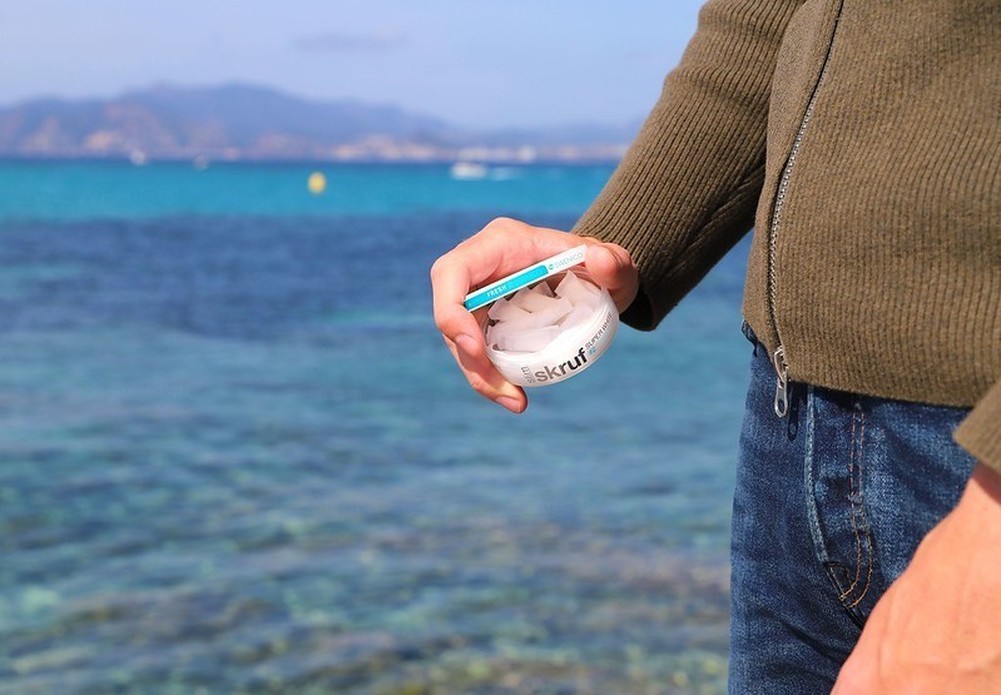
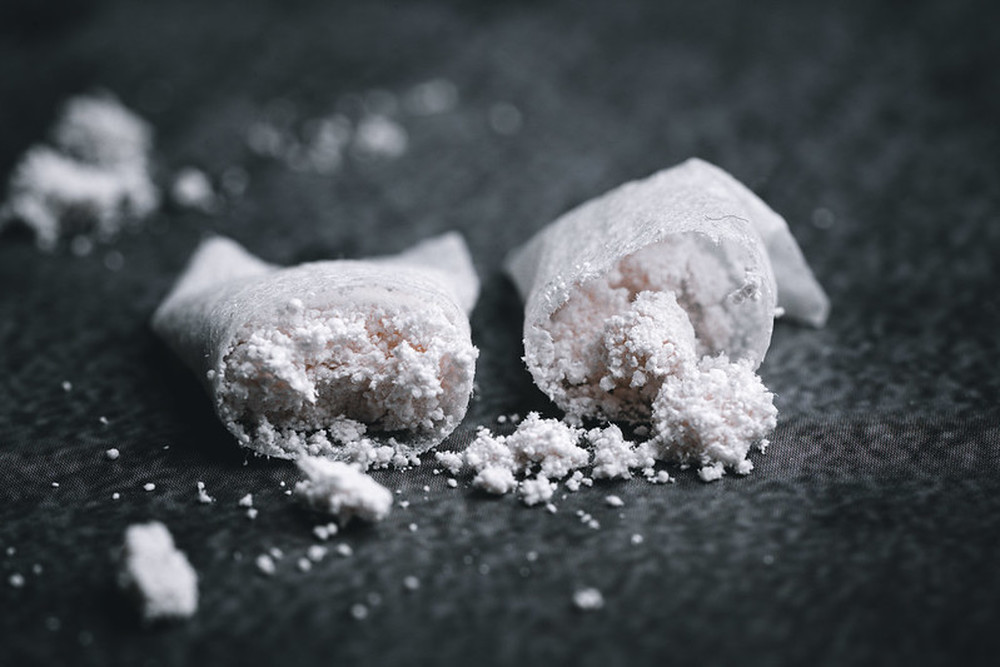
Nicotine pouches are white, portioned bags with nicotine, flavorings, and fillers. A closer look at the range of nicotine brands at GotPouches.com shows various options. These products do not contain leaves, but instead contain nicotine-based salts that your gums can easily absorb.

Are Nicotine Pouches Healthier?

Yes. However, these nicotine-based products have always received a backlash owing to the effects of traditional smoking. Nevertheless, some studies conducted recently have revealed that using nicotine pouch brands stocked at GotPouches.com is healthier in many ways.

For starters, nicotine pouches are smokeless and devoid of harmful combustion products. This eliminates the dangers associated with combustion, not just to the user, but also those around them.

Also, chewing and smoking pose a real danger to the user”s oral health. Nicotine pouches are undoubtedly preferred to traditional methods. Although pouches might contain some chemicals, they significantly lower the risk of developing oral health issues.

As with any tobacco product, the use of nicotine pouches responsibly holds the key to enjoying these products.

Best Outfits to Complement Your Dieting Plan

Fitness and healthy living experts insist on a balance between diet and exercise when chasing that dream weight or body shape. Psychologists add that feeling good about the process of wellness encourages you to keep doing it. However, that is not always possible. Harmful foods are often tempting while the most beneficial exercises are quite repelling. Often, therefore, you will need motivation to keep going.

Your exercise gear is one of the most intimate motivators in your fitness journey. If it flatters your developing figure and gives you comfort, it will encourage you to keep going even when the journey feels a bit weary. The stylish workout leggings from aim’n are guaranteed to give you this much needed lift in your fitness journey. They are arguably the most comfortable piece of clothing you can have in your wardrobe. Many people get them for workouts but end up wearing them everywhere else – around the house, shopping, neighbourhood and even to work.

With Aim’m leggings, you are assured there won’t be any embarrassing wardrobe malfunctions as you work out. Neither will they betray you on the odd cheat day that you fall for the temptation to increase your portion or indulge in a little jungle. Above all, they always whisper ‘keep going’ by amplifying every little progress!

Overview of Food and Health

Eating a wide range of nutrients is required to keep you well and help reduce the risk of physical health problems like diabetes and heart disease. It also helps increase energy levels, sound sleep, and general health.

Sometimes, your mood affects how much you eat and the types of food you choose. While some foods can boost your energy levels, concentration and mood, others can have reverse effects.

Take, for instance, eating abundant vegetables, fresh fruits, whole grains, and nuts can reduce your risk of some mental health conditions like depression. On the other hand, eating foods that contain a high amount of saturated fat and sugar may trigger the risk of depression.

Eating a healthy balanced diet is essential in your well-being and overall health. Your GP can refer you to an Accredited Practising Dietitian (APD) who can offer one-on-one support. Meeting people with health challenges can give you ideas on how to overcome your health challenges. It can also help enhance your eating habits.

What is Food?

Different schools of thought have different definitions for food, ranging from solid to liquid substances taken by living things. However, in simple terms, food is any substance consumed by the body to provide nutritional support.

How Foods Impact Health

Foods give human bodies the necessary information to function well. Not getting ample information makes our health decline. Also, eating too much or eating foods with the wrong information can cause undernourished and overweight. The body can also be at risk of severe health conditions like arthritis, heart disease, and diabetes.

In brief, the state of our health is determined by what we eat. Foods work as medicine to maintain the body and to also prevent and treat diseases in the body.

The Effect of Foods on Our Bodies

Food nutrients enable the cells in the body to perform their essential functions – growth and body maintenance. When consumed nutrients do not meet the body’s nutrients needed by the cells to function well, the metabolic process deteriorates and may even stop working. Simply put, nutrients pass instructions to our bodies on how to work. Hence, food can be recognized as the basis of information for the body.

From this perspective, foods give us a nutritional view that goes beyond grams and calories, good or bad foods. Instead, it leads us to concentrate on foods we should include in our consumption rather than foods to ignore. Also, while looking at foods as enemies, look at foods as a substance to create good health and reduce disease by boosting the body’s functions.

But today, we eat what is convenient for us, not foods with health benefits. Fast foods have eliminated us from preparing and savoring wonderful meals.

The Connection between Food and Disease

Our society today is facing significant health problems – the US ranks 9th in life expectancy among the developed world nations. Today”s workforce is plagued with reduced productivity and absenteeism due to chronic health issues.

Approximately 78% of health expenses are for the treatment of chronic disease. According to many researchers, these problems are believed to be partly associated with diet. In recent years, diseases like obesity, stroke, type II diabetes, and certain cancers were believed to be caused by a single gene mutation. Today, these conditions are attributed to a network of biological dysfunction.

According to the proceedings of the 2004 Nutrition Society, food is an essential factor in dysfunction because our diets lack the vital balance of nutrients. To prevent these diseases from appearing, it is necessary to understand how multiple nutrients in a diet relate to and affect the functions of the human body.

The application of Functional Medicine is a dynamic method of using nutrition to assess, prevent, and treat chronic diseases. This aspect of healthcare also researches the role of nutrition in health.

The Perspective of Functional Medicine

While examining the role of nutrition in chronic disease, Functional Medicine practitioners look at diverse systems such as the detoxification system, immune system, and digestive system. This is due to the interconnections between these systems. For example, because the gastrointestinal system contains 80% of the immune system can relate a person”s immunity problems to faulty digestion.

Functional Medicine confirms that a period of declining health in the body systems typically results in chronic disease. Therefore, the practitioners try to identify the early symptoms that signify primary dysfunction that is likely to lead to disease.

These practitioners address declining health by providing the foods and nutrients required to reinstate function. The method is a cost-effective, non-invasive intervention purposely to stop the disease from progressing.

Example of Cardiovascular Disease

It is essential to know that one disease can have several causes when taking a nutritional approach to health and disease. One underlying dysfunction can also cause several diseases. One clear example from this approach can be cardiovascular disease.

Different types of research show that the growth of heart disease can be stirred up by many factors. The factors include inflammation, stress, heavy metal toxicity, insulin resistance, hypertension, elevated homocysteine, elevated cholesterol, and oxidative stress. Nutrition can influence each of these factors and in turn, affect our nutritional needs.

Food and Mental Health

Your nervous system and mental health rely on nutrition to build fresh tissues, proteins, and cells. Your body needs a variety of minerals, proteins, and carbohydrates to function effectively. Instead of eating the same meals and snacks every day, nutritionists suggest eating a variety of foods. This helps acquire all the nutrients that improve the functions of mental health.

The following are the top three foods you should include in a healthy mental diet.

  • Complex Carbohydrates: You can get energy from complex carbohydrates like starchy vegetables and brown rice. Sweet potatoes, beets, and quinoa have additional nutritional value and will keep you satisfied longer than the typical carbohydrates existing in candy and sugar.
  • Lean Proteins: These proteins provide energy that lets your body think and react instantly. Excellent sources of protein include eggs, seeds, nuts, chicken, soybeans, and meat.
  • Fatty acids: These are crucial acids for the right function of your nervous system and brain. Fatty acids are found in flaxseeds, fish, nuts, eggs, and meat.

Healthy Eating Tips

  • Eat plenty of healthy fats to support your brain, including avocado, coconut oil, and olive oil.
  • Pass up snacks filled with sugar, such as soft drinks and candy, which lead to instability in energy levels. Steer up processed snacks like potato chips, which can weaken your ability to concentrate.
  • When hunger strikes, consume healthy snacks like baked sweet potatoes, fruits, hard-boiled eggs, or nuts that will produce more energy than packaged products.
  • Eat at the right time and don”t eat in a distracting environment. Consider sitting in a relaxed place and take note of what you are eating.
  • Develop a shopping list of healthy foods and stick to it.
  • Shopping while hungry will make you purchase unhealthy impulse – don”t shop when you are hungry!
What You Should Know about Good Nutrition?

The key to good health is the effective management of food intake and nutrition. Having smart nutrition and food options can help you curb a variety of diseases. Likewise, understanding good nutrition and paying adequate attention to what you eat can help improve your health.

What is Good Nutrition?

Good nutrition is not a phrase you can look up in the dictionary or just about calorie intake.

Good nutrition means:

  • eating diverse foods that offer the body the necessary nutrients to feel good, have energy, and maintain health. These nutrients include vitamins, minerals, protein, water, fat, and carbohydrates.
  • staying away as much as possible from processed foods that have a list of ingredients you are not familiar with and contain extreme amounts of sodium.
  • being aware and limiting added sugar. Research reveals there is a connection between sugar, addiction, and the risk for cardiovascular disease.
  • considering variety, moderation, and balance in all that you eat.

Good nutrition is having an understanding of foods that support your body and mind. It”s about making healthy choices that will make you live a long and productive life.

Balanced Diet: Importance & Components

Often, we hear that it is necessary to eat a balanced diet to be healthy. But the question is, what is a balanced diet, and does it have any importance? Besides, is this diet the same for everyone? Let”s delve in to discover the facts!

What is Balanced Diet?

This is a diet that contains enough amounts of nutrients required by the body in one day. The nutrients are vitamins, minerals, carbohydrates, protein, fats, and fiber. While our foods contain all these nutrients, different amounts are present in each of the nutrients. A person”s gender, age, and health will determine the requirement of the nutrients.

The Importance of Balanced Diet

A balanced diet has the following importance:

  • It boosts the ability to work
  • It increases the capacity to resist or fight diseases
  • Leads to a superb physical and mental health
  • It aids the sustainable growth of the body

Components of a Balanced Diet

A balanced diet has a wide variety of components. Some of them include:

  • Protein for growth and repair of the body and building muscles
  • Fats for energy
  • Fiber, minerals, and vitamins for enhancing the body”s resistance to diseases
  • Carbohydrates provide us with energy