
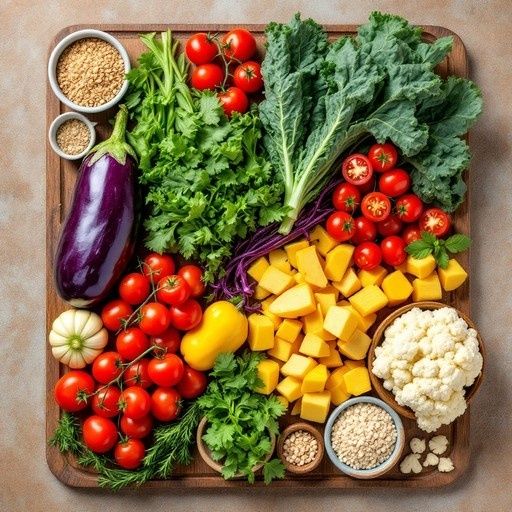
Cooking by Color: How to Bring Anthocyanins, Carotenoids, and Betalains into Your Everyday Kitchen
Rediscovering Your Kitchen as a Painter’s Studio
A beautiful plate does not need synthetic food coloring to look polished. Nature already supplies a remarkable palette, from the garnet flush of berries to the sunset orange of roasted carrots and the jewel-like magenta of beets. For the home cook and baker, these colors are more than decorative accents. They are invitations to work with texture, temperature, acidity, and fat in ways that make everyday food feel considered, celebratory, and deeply satisfying.
Plant pigments also have personalities. Anthocyanins dissolve in water and respond dramatically to acidity, carotenoids prefer warmth and a little fat, and betalains glow most brilliantly when handled with restraint. Understanding those behaviors turns color preservation into a practical pastry skill. The following techniques will help you build glossy berry reductions, vibrant vegetable purées, jewel-toned fillings, and elegant bite-sized desserts while protecting as much of the food’s natural character as possible. For a broader look at beautiful bite-sized desserts, think of each recipe as a small canvas where flavor and visual contrast work together.
Mastering the Mood Swings of Anthocyanins
Anthocyanins are water-soluble pigments responsible for many red, purple, and blue shades in blackberries, blueberries, red cabbage, purple potatoes, and deeply colored grape skins. Their appearance is not fixed. The same family of compounds can look ruby red in an acidic mixture, purple near neutral conditions, and increasingly blue as alkalinity rises. A scientific review of these pigments explains that their stability is influenced by pH, temperature, light, oxygen, enzymes, and the precise chemical structure of each anthocyanin. You can explore that foundational research in this review of anthocyanin chemistry.
In practical kitchen terms, acidity is one of the most useful tools. A squeeze of lemon juice, a spoonful of raspberry purée, or a few drops of apple cider vinegar can keep a berry sauce lively and jewel-bright. This is especially helpful when preparing a reduction for a cheesecake bite, a glaze for miniature pavlovas, or a purple cabbage relish to serve beside a rich tart. Add acid gradually, tasting as you go. Too much can flatten the flavor and make a delicate dessert seem sharp, while the right amount produces a clean, vibrant finish.
Heat and water require equal care. Boiling can encourage water-soluble pigments and other compounds to move into the cooking liquid, while prolonged high heat can dull the final color. Gentle steaming, covered roasting, microwaving with minimal added water, or a short simmer often gives better control. Research on red and purple potatoes found that cooking methods affected their anthocyanins and other phytochemicals differently, with results varying according to the variety and process. The lesson is not that raw is always superior, but that cooking should be purposeful and measured.
- Keep berry reductions gently simmering rather than aggressively boiling.
- Add lemon juice or another natural acid near the beginning when color preservation matters.
- Use the cooking liquid in sauces or purées instead of discarding it when practical.
- Protect finished anthocyanin-rich components from prolonged exposure to heat and bright light.
Unlocking Carotenoids with Culinary Fat and Warmth
Carotenoids create the golden, orange, and red tones found in carrots, pumpkin, winter squash, red peppers, tomatoes, and many leafy greens. Unlike anthocyanins, they are fat-soluble, which means their culinary behavior changes when they meet oil, butter, cream, or nut butter. They are also comparatively heat-stable, although very long cooking can still diminish quality and freshness. For a silky pumpkin tart filling or a carrot cake garnish, gentle heat can soften plant cell walls and make the color appear richer and more luminous.
Raw carrots are crisp and refreshing, but their fibrous structure can limit the amount of carotenoids released during digestion. A brief sauté, roast, or steam softens that structure. The goal is not to cook vegetables until they collapse, but to bring them to a tender point where their natural sweetness develops and their pigments become easier to access. Research on red peppers has shown that stir-frying and roasting generally caused smaller losses of several measured compounds than boiling and steaming, although each method affected individual nutrients differently. Dry heat can therefore be an especially attractive choice when both color and flavor matter.
The classic pastry lesson is simple: pair vivid produce with a modest amount of good fat. A roasted carrot purée becomes more rounded with butter, olive oil, or tahini. Pumpkin gains silkiness from cream or nut butter. Red peppers become glossy and concentrated when tossed with olive oil before roasting. A Purdue University human study found that full-fat dressings improved carotenoid absorption compared with low-fat or fat-free dressings, and that the amount of lipid played an important role. This does not call for excessive richness. A small, well-chosen amount is enough to carry flavor and help the body use these fat-soluble compounds.
| Ingredient color | Helpful technique | Elegant kitchen application |
|---|---|---|
| Orange carrots | Roast or sauté with a little fat | Carrot mousse, cake garnish, or silky soup shot |
| Red peppers | Roast until tender and lightly blistered | Whipped pepper spread for savory tartlets |
| Pumpkin and squash | Roast before blending | Mini custard tarts, cheesecake swirls, or spiced purée |
| Tomatoes | Cook gently with olive oil | Glossy tomato jam for crostini or plated appetizers |
The Delicate Radiance of Earthy Betalains
Betalains create the intense crimson and magenta tones of beets, beet greens, and colorful chard stems. They are chemically distinct from anthocyanins, and the two pigment families rarely occur together in the same plant. That distinction matters because a beet’s color does not behave exactly like a berry’s. Betalains can be particularly sensitive to prolonged exposure to high heat, excess water, oxygen, and unfavorable storage conditions. A long boil may leave the vegetable soft but turn its once-glowing color muted, brownish, or uneven.
For the most elegant result, treat beet color like a delicate glaze. Raw beet ribbons can be shaved thinly with a peeler and dressed just before serving. Small beets can be quickly poached or roasted until tender, then cooled and sliced into translucent rounds. In dessert work, beetroot can be blended into a chocolate cake, folded into a berry compote, or reduced into a sweet glaze for a petite tart. A touch of citrus, a little honey, and careful straining can create a smooth, glossy finish that looks intentional rather than rustic.
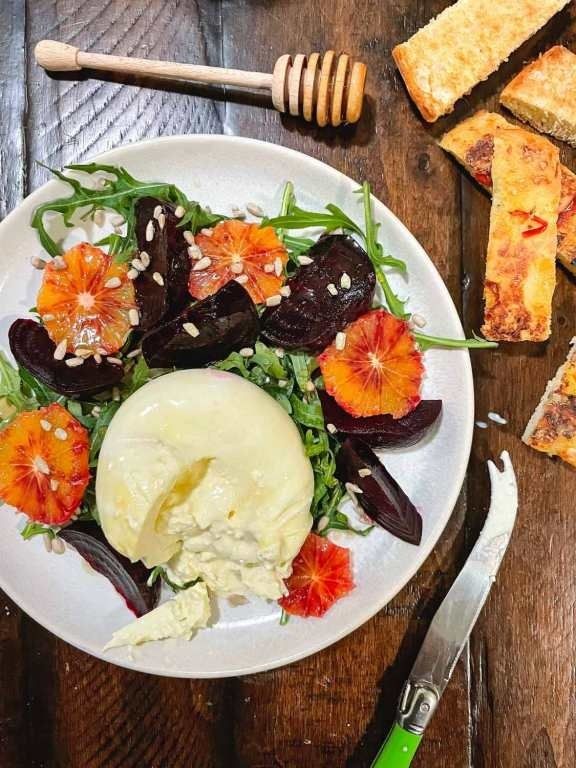
- Choose small, firm beets with saturated color and unblemished skins.
- Roast whole beets when possible to limit water contact and preserve sweetness.
- Cut or ribbon beets close to serving time to reduce oxidation and moisture loss.
- Use beet purée sparingly in frostings and cakes so the color supports, rather than overwhelms, the flavor.
A Chef’s Guide to Preserving Pigments on the Plate
Color preservation begins before the pan is warm. Washing, cutting, and peeling all expose plant tissue to water and oxygen, so handle produce with the same quiet precision used for a delicate sponge cake. Scrub vegetables under cool running water, pat them dry, and peel only when the skin is tough or distracting. Colorful skins can contain concentrated phytochemicals, and keeping them intact during roasting also helps retain moisture.
- Wash with intention. Clean produce quickly, dry it thoroughly, and avoid soaking colorful vegetables unless the recipe truly requires it.
- Match heat to the pigment. Use gentle, brief cooking for anthocyanin-rich foods and betalains, while allowing carotenoid-rich vegetables enough warmth to soften their structure and develop sweetness.
- Balance acid and fat. Use citrus or fruit acids to support berry and cabbage colors, then add a measured amount of oil, butter, cream, or nut butter when working with carotenoid-rich ingredients.
- Plate for contrast. Set a magenta beet glaze against a pale cream, a purple potato against bright herbs, or an orange carrot purée beside a dark chocolate element. Contrast makes natural color look more vivid without adding anything artificial.
Timing matters as much as technique. Sauces and purées often look brightest immediately after blending, while baked goods may deepen in color as they cool. Taste and inspect at each stage: a berry reduction should look glossy, a carrot purée should feel velvety, and a beet glaze should coat the back of a spoon without appearing dull. The same attention that prevents overbaked pastry also protects the visual energy of plant pigments.
Transform Your Everyday Kitchen into a Living Canvas
Cooking by color brings together pleasure, precision, and nourishment without turning the kitchen into a laboratory. Anthocyanins reward acidity and gentle handling. Carotenoids welcome warmth and a little fat. Betalains ask for restraint, quick preparation, and thoughtful timing. These are not rigid dietary rules. They are useful observations that help you make a berry tart more radiant, a pumpkin bite more velvety, and a beet glaze more polished.
Let seasonal saturation guide your shopping. Choose berries that look deeply colored, carrots that glow, peppers with taut red skins, and beets whose interiors promise rich magenta. Then experiment boldly, adjusting temperature, acidity, and richness in small steps. A dessert tray or dinner plate can be both delicious and visually expressive, with every natural shade carrying its own texture, flavor, and story. When color is treated as an ingredient rather than an afterthought, even the smallest bite can feel beautifully composed.
By Magnus
- 17, Sep, 2026
- 0 Comments